
How to Identify Land Banking Opportunities in Nigeria
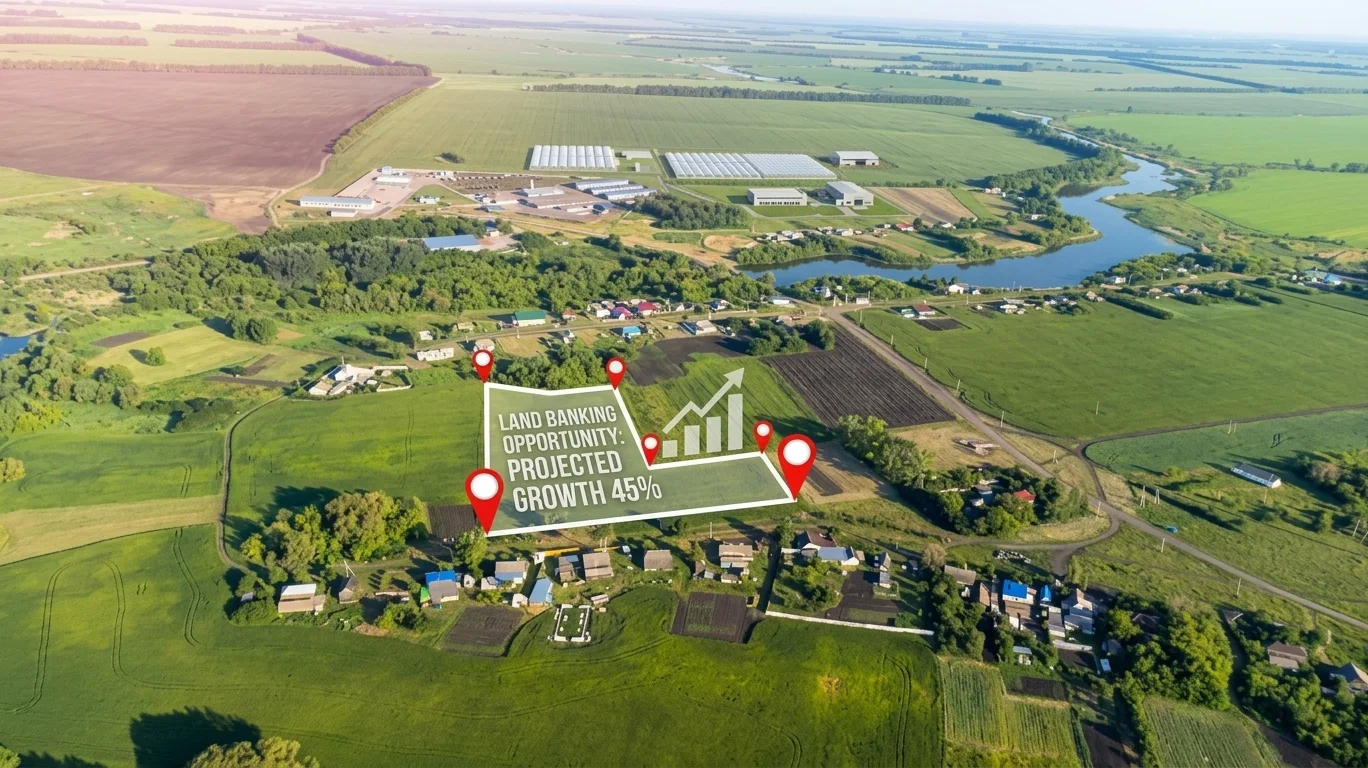
Land banking is a long-term real estate investment strategy where an investor acquires land in an area with growth potential, holds it while the surrounding area develops, and eventually benefits from increased demand and land value.
However, successful land banking is not simply about finding cheap land. The real opportunity lies in identifying where development is heading before it becomes obvious to everyone.
1. Spot Where Development Is Moving
One of the first things to look for is the direction of development.
Instead of focusing only on areas that are already expensive and highly developed, study the locations surrounding established communities. New residential estates, commercial developments, schools, hospitals, hotels and businesses can indicate that development is gradually moving into an area.
For example, when established neighbourhoods become expensive or overcrowded, developers and homebuyers often begin looking at surrounding locations where land is more available and affordable.
The key question is:
“Where is the next phase of development likely to happen?”
2. Follow Infrastructure
Infrastructure is one of the major factors that can influence the attractiveness of a location.
New roads, bridges, rail projects, airports, industrial facilities and other major developments can improve accessibility and encourage economic activity.
A location that was previously difficult to access may become more attractive when transportation improves.
But investors should be careful. Do not invest based solely on rumours of future infrastructure. Verify the project, its location, development status and expected impact before making an investment decision.
3. Follow Population and Economic Activity
Land becomes more valuable when there is genuine demand for it.
Look for signs that people and businesses are moving into an area. These may include:
- Growing residential communities
- New housing developments
- Schools and healthcare facilities
- Shopping and commercial centres
- New businesses
- Industrial activity
- Improved transportation
When more people live, work and conduct business in an area, demand for residential, commercial and industrial land can increase.
The important point is to look for actual activity, not just marketing claims.
4. Don't Buy on Hype. Study the Numbers
A location can have an exciting growth story and still be a poor investment if the numbers do not work.
Before buying, consider the current land price, documentation costs, taxes and fees, development potential, holding period and other associated costs.
Then consider your potential exit strategy.
Ask:
“If I hold this land for several years, what could create demand for it when I am ready to sell?”
Land banking should be based on a clear investment thesis rather than emotion or pressure from sellers.
5. Due Diligence Is Non-Negotiable
One of the biggest mistakes an investor can make is focusing so much on future appreciation that they ignore the legal status of the property.
Before committing funds, investigate the land properly.
Depending on the property and location, this may include verifying:
- Ownership and seller's authority
- Title documents
- Survey and property boundaries
- Government acquisition status
- Existing encumbrances
- Planning and zoning restrictions
- Applicable development regulations
A cheap plot with unresolved ownership or documentation issues can become far more expensive than a properly documented property.
Verify first. Invest second.
6. Know Your Exit Before You Enter
Every land investment should have a reason behind it.
Your exit could involve selling to another investor, a developer, a homebuyer or another market participant. The important thing is to understand what could create demand for the property in the future.
Ask:
Who is likely to want this land later?
What development or economic activity could increase that demand?
How long am I prepared to hold the property?
Having answers to these questions helps you determine whether the opportunity fits your investment objectives.
The Bigger Picture
Land banking is ultimately about positioning.
You are looking beyond what the location looks like today and studying the factors that could influence its future: infrastructure, population, economic activity, accessibility, development patterns, pricing and legal status.
The goal is not simply to buy land before everyone else.
The goal is to understand why the land could become more valuable and whether the evidence supports that thesis.
At Tayo Oyerokun Consulting, we believe real estate decisions should be driven by research, strategy and proper due diligence, not hype.